Our view
Brand safety can't stop at paid media. Every post and link a brand has published is owned media, and it needs the same standard: audit it, own the path each link runs through and have a response ready before one is hijacked.
Key takeaways
- This weekend, old Bitly links in years-old X posts from brands, public figures and government agencies were redirected to unrelated and offensive pages, without anyone accessing the accounts.
- The risk sits in the link, not the login: a short link goes wherever its current owner points it, long after the campaign has ended.
- Platform brand safety tools govern where paid ads appear, not a brand's own posts, so owned media needs its own safeguards: link audits, a branded short domain, account ownership, monitoring and a response plan.
This weekend, people scrolling through old posts on X found that links in years-old posts from McDonald's and Burger King no longer went where they were meant to. A 2011 Burger King post about its restaurant locator pointed to a Wikipedia list of Nazi concentration camps. A 2011 McDonald's post pointed to the Wikipedia article on the September 11 attacks. Posts from public figures and government agencies, some dating back to 2009, were affected too.
What happened
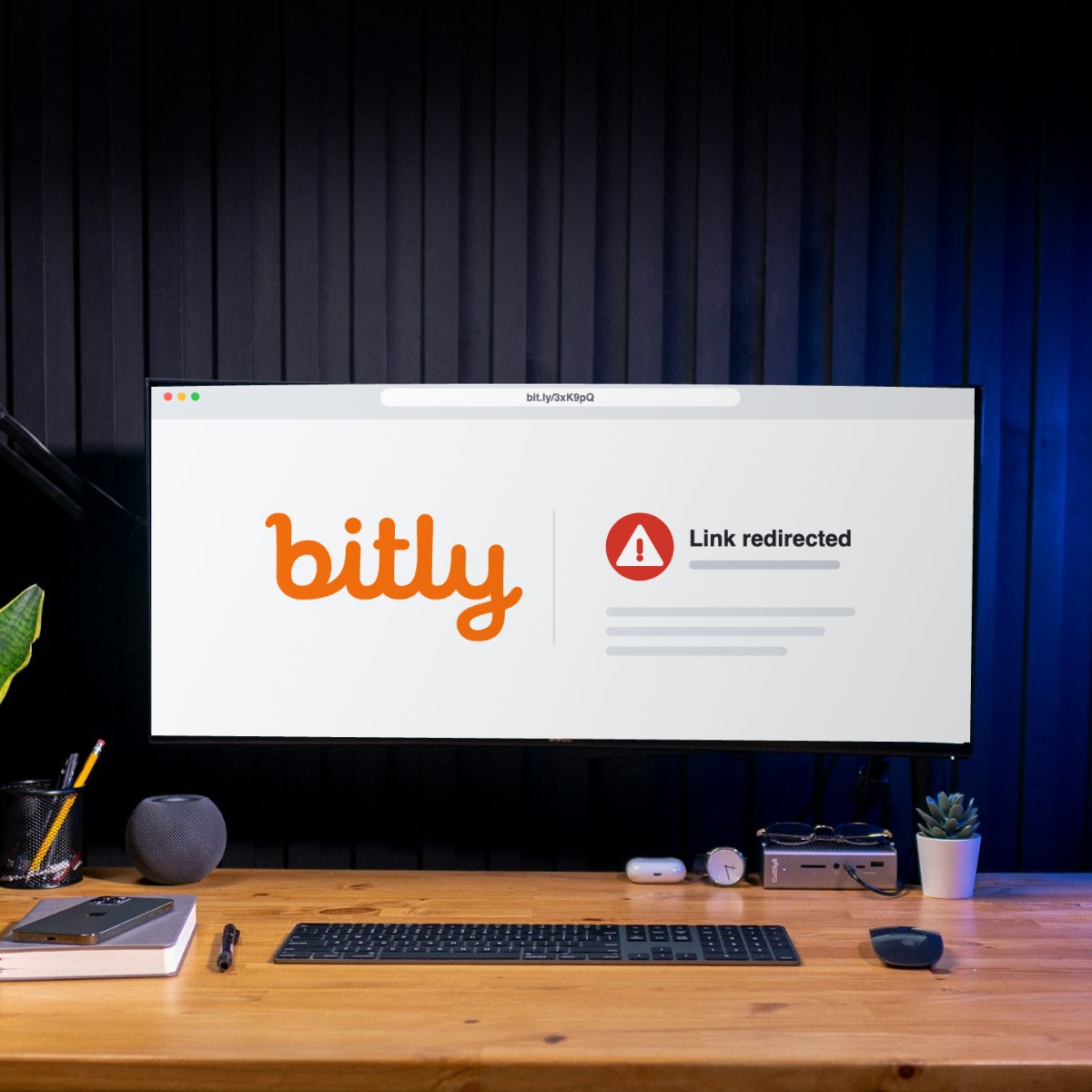
Bitly said on Sunday that it had identified an issue that let bad actors repurpose certain old, inactive links and send people to content unrelated to the original posts. It said it suspended the accounts that changed the links, is disabling the affected URLs and is working to strengthen protections against similar misuse. CNN reported that X had not responded to a request for comment.
The brands' accounts weren't accessed. According to an analysis by Ransom News, someone re-registered the endings of old Bitly links, the part after the slash, once the original links were no longer active, then set new destinations. Every post, email, PDF or printed QR code carrying those links then led somewhere new. It isn't the first time: Ransom News points to a similar takeover of old links reported in February 2025.
Why this is a brand problem, not only a security one
Most brand safety work looks forward: where the next ad runs and what content it appears beside. This story is a reminder that a brand's past content keeps working long after anyone stops watching it. A post from 2011 still carries the logo, the verified account and the brand's credibility, and a reader who clicks it today has no reason to doubt where it leads.
Short links make the risk harder to see. They hide their destination, and the brand loses control of where they point once the link or the account behind it lapses. Campaigns end, agencies change and the people who created the links move on, but the posts stay live.
What platform controls cover, and what they don't
X gives advertisers real brand safety tools. Its help center describes adjacency controls that let advertisers exclude up to 4,000 keywords and 2,000 accounts, sensitivity settings that limit what content can appear directly above and below an ad, and third-party measurement through Integral Ad Science and DoubleVerify. They're worth using, and they belong in any paid social plan.
Those controls govern where a paid ad appears next to someone else's content. They don't cover a brand's own organic posts, and they can't control a link service that sits outside the platform altogether. This weekend's redirects happened in that gap. In our experience, most brand safety programs are built around paid media, with clear rules for where ads run, while owned channels get far less structure. The standard should cover both.
Four things to consider
1. Brand safety should cover owned media
Extend your brand safety and suitability standard beyond ad placements to the content you publish yourself: posts, bios, email, PDFs, packaging and printed QR codes. If a customer can reach it through your brand, it's part of your brand.
2. Every outside tool is a dependency
Link shorteners, QR code generators, link-in-bio pages and campaign microsites all sit between your brand and your audience. Each one needs an owner, an account the business controls and a plan for what happens when the campaign ends.
3. Old content is still live content
Years-old posts still carry the brand's name and credibility. Decide how long campaign content should stay public, and review the archive the way you would any other live channel.
4. Response time matters as much as prevention
Burger King told CNN it had no part in the redirects and was working quickly to correct and delete the altered posts. A clear, fast response limits the damage. Know in advance who confirms an issue, who can edit or remove posts and who speaks for the brand.
Safeguards to put in place
These protections are practical for businesses of any size, whether the posts were published by an in-house team, an agency or a founder years ago.
Audit what's already live. List every short link in your social archives, email, PDFs and printed QR codes. For a Bitly link, adding a plus sign to the end of the URL shows its destination and creation date. A creation date later than the post is a red flag.
Own the domain your links run through. A branded short domain, such as go.yourbrand.com, means no one else can claim the same ending.
Keep accounts in the business's name. Hold link and QR code accounts under a company login with two-factor authentication and more than one admin, and keep them active. According to Bitly's help pages, as cited by Ransom News, accounts inactive for three years are deleted.
Keep the domains you've linked to. Renew domains used for past campaigns, or point them to a live page, rather than letting them lapse. Ransom News found some domains linked from old posts had been re-registered by others.
Fix or remove what no longer works. Update or delete posts whose links are broken or now point somewhere new, and report altered links to the link service.
Monitor on a schedule. Check the links in public posts every quarter and after any agency or team change, so your team finds a redirect before your audience does.
Write the response plan now. Agree who verifies an issue, who can remove posts on each platform, who contacts the link service and what the brand says publicly.
Use the paid media controls you already have. Adjacency controls, sensitivity settings and third-party verification still protect the other half of your brand's presence.
Brand safety now includes everything you've published
Brand safety used to mean where ads ran. It now also means where a brand's own words and links lead, years after they were posted. The brands best placed for the next incident like this are the ones that know what's live, own the path each link runs through and have a response ready before they need it.
Questions to ask your team
Who owns the accounts behind our short links, and are they still active?
Do we know where every link in our public posts leads today?
Which old posts would we remove if we saw them for the first time today?
If a link were redirected tomorrow, who would notice first, and how fast could we respond?
From Insight to Impact
Does your brand safety plan cover what you own, not just what you buy?
We help brands set brand safety and suitability standards across paid and owned channels, from platform controls and verification to link governance and incident response, through Brand Safety & Suitability Guidance and a Brand & Creative Messaging Review. Our experience includes board service with the 4A's Advertiser Protection Bureau and the Brand Safety Institute. See what's included, and the sample work behind it.
Sources
New York Post: Corporate social media hacked in bizarre Bitly link-hijacking scheme (Nov. 15, 2026)CNN: Trump, McDonald's and Burger King among targets of past X posts that contain redirected website links (Nov. 15, 2026)Ransom News: Old Bitly links hijacked in Burger King, McDonald's and Trump tweets (Nov. 15, 2026)Slashdot: Pranksters redirect Bitly's links in X posts, with Bitly's statement (Nov. 15, 2026)X Help Center: Brand safety, Products That Protect